
Ask ten people to describe their perfect vacation, and you'll probably get ten different answers.
Some people dream of a beautiful beachfront resort, a good book, and absolutely no plans.
Others are already researching museums, food tours, and how many cities they can reasonably squeeze into ten days.
And someone else? They're looking at mountain villages, scenic train rides, and hiking trails.
Personally, I love that travel can be all of those things.
I've spent vacations exploring new cities from morning until night, and I've also appreciated trips where slowing down was the whole point. I’ve even come to appreciate the way cruising lets you experience a little bit of both.
And if there's one thing I've learned from traveling, it's that the best vacation isn't necessarily the one with the most impressive itinerary.
It's the one that gives you what you actually need from your time away.
But figuring out what that looks like isn't always as straightforward as it sounds.
That's where understanding your travel style comes in.
Let's figure out what yours might look like.
What is Your Travel Style?
Your travel style is simply the combination of preferences that shapes how you like to experience a destination.
It's not just whether you prefer beaches or mountains.
It's how you like to spend your days, what makes you feel comfortable, which experiences excite you, and what you hope to get out of your time away.
And here's something worth remembering: you don't have to have just one travel style.
The easiest way to find your travel style is to think about what you enjoy most on vacation, how much activity or downtime you prefer, and which experiences matter most to you.
When I was younger, I loved a good beach vacation or all-inclusive resort. And while I still appreciate those experiences, I've found that my travel FOMO has only gotten stronger with age.
These days, I love a packed itinerary. If I'm visiting somewhere new, I want to soak in as much of the destination as possible.
But traveling with my family has taught me that my ideal pace isn't always everyone else's.
My kids, for example, would happily trade a few cobblestone streets and iconic landmarks for more beach time and adventure. And after a long international flight, we've learned that building in some downtime makes the entire trip more enjoyable.
It's also one of the reasons I've come to appreciate cruising. We can explore new destinations together while still having opportunities for everyone to enjoy the vacation in their own way.
And that's really the point.
Your travel style isn't a permanent label.
It can change depending on where you're going, who you're traveling with, and what you need from that particular vacation.
The goal isn't to figure out whether you're an adventurer, a beach lover, or a culture enthusiast.
It's to understand what matters most to you on this trip.

5 Questions to Help You Find Your Travel Style
So how do you actually figure out what kind of vacation is right for you?
Before you open seventeen browser tabs comparing hotels (we've all been there), I think it's worth asking yourself a few questions.
These are the kinds of things I like to understand when I'm planning a trip, because the answers tell me a whole lot more than simply knowing where someone wants to go.
And you might be surprised by your own answers.
1. How Do You Want to Feel When You Come Home?
I think this is one of the most important questions you can ask before planning a vacation.
Are you hoping to feel rested and recharged?
Inspired by everything you've seen and learned?
More connected to your partner, family, or friends?
Or maybe you're celebrating something special and want to create memories you'll talk about for years.
For me, planning a family vacation usually starts with wanting to explore a part of the world we haven't experienced yet. I love the idea of discovering somewhere new together and coming home with stories we'll be talking about long after the trip is over.
But your reason might be completely different.
And that's the point.
If your goal is to recharge, a vacation involving four hotels and early morning departures probably isn't going to deliver the experience you're hoping for.
On the other hand, if you're dreaming of discovering a new destination, spending every afternoon beside a hotel pool might leave you feeling like you've missed out.
My Planning Tip
Before you choose a destination, finish this sentence:
"When I get home from this trip, I hope I feel..."
Keep that answer in mind as you plan.
2. What’s Your Ideal Travel Pace?
Some travelers love a full itinerary.
They're up early, out exploring all day, and perfectly happy returning to their hotel with tired feet and a camera full of photos.
Others prefer slow mornings, leisurely lunches, and plenty of time to enjoy their surroundings.
And plenty of people fall somewhere in between.
I'm definitely someone who loves a busy itinerary, but I've learned that traveling with kids means making room for a little flexibility.
On international trips, I like to build in a lower-key day somewhere in the middle. Sometimes that's a travel day between destinations, where we can relax on a train and enjoy the scenery. Other times, it's simply a day with fewer plans so we can decide what everyone feels like doing.
It's a small adjustment that makes a big difference.
Think about your previous vacations.
Did you enjoy having a packed schedule, or did you come home feeling like you needed another vacation?
Did you appreciate having everything organized, or were your favorite moments the ones you hadn't planned?
Your answers can help you decide how many destinations to include, how often to change hotels, and how much downtime to build into each day.
3. What Experiences Excite You Most?
Forget the list of attractions everyone says you have to see.
What actually gets you excited about traveling?
Maybe it's:
Food and wine: Cooking classes, local markets, vineyard visits, and memorable meals.
Culture and history: Museums, architecture, historic sites, and local traditions.
Nature and adventure: Hiking, wildlife encounters, scenic landscapes, and outdoor activities.
Rest and wellness: Beaches, spas, beautiful accommodations, and time to unwind.
Connection and celebration: Shared experiences, meaningful milestones, and quality time with the people you love.
Personally, two experiences I still talk about are skydiving in South Africa and relaxing in Iceland's geothermal lagoons.
Two completely different experiences, and I loved them both.
That's why I don't think you need to identify with just one travel style.
You might love adventure and relaxation. History and food. Exploring cities and escaping into nature.
The important part is recognizing which experiences deserve priority when you start building your itinerary.
Because if you've always dreamed of taking a cooking class in Italy, I'd much rather help you make room for that than squeeze in another museum simply because it's famous.
4. What Makes You Feel Comfortable When You Travel?
This question doesn't get nearly enough attention.
Two travelers can love the same destination but have completely different ideas about how they'd like to experience it.
One might enjoy navigating public transportation, exploring independently, and staying in a small boutique hotel.
Another might prefer private transfers, guided experiences, and accommodations with plenty of amenities.
For me, location is a big one.
I love staying somewhere close to the things I want to explore, with great restaurants and coffee shops nearby. And if the hotel has a beautiful view? Even better.
When I'm traveling with my family, I also appreciate having enough room for everyone to spread out a little.
Those details might not sound as exciting as choosing excursions, but they can make a huge difference in how much you enjoy a trip.
Think about what makes travel comfortable for you.
Do you like having everything arranged in advance?
Are you comfortable figuring things out as you go?
Would you rather unpack once, or are you happy moving between destinations?
How important are hotel location, room size, dining options, and convenience?
None of these preferences makes someone a better or more adventurous traveler.
They're simply part of finding the right fit.
5. What Are Your Non-Negotiables?
Now we're getting practical.
Every vacation comes with some limitations, whether that's time, budget, mobility, school schedules, or personal preferences.
Maybe you only have seven days and don't want to spend two of them changing hotels.
Maybe your family needs connecting rooms or accommodations with a kitchen.
Perhaps a direct flight is important, or you want to avoid renting a car.
And sometimes there's one experience you've been dreaming about for years that you're willing to build the entire trip around.
I'll admit that I'm willing to increase my budget for the right accommodations or a truly special experience.
A stay at Marina Bay Sands in Singapore, for example, is exactly the kind of iconic experience that would make me reconsider what I originally planned to spend.
That doesn't mean every hotel needs to be luxurious or every activity needs to be expensive.
It just means knowing where you're willing to splurge—and where you're perfectly happy to save.
Figure out which things matter most and where you're willing to be flexible.
Because planning a great vacation isn't about having unlimited time or money.
It's about making thoughtful decisions with what you have.
Different Types of Travel Styles (With Vacation Examples)
So what does all of this look like when it's time to actually choose a vacation?
The fun part is that there are so many ways to experience the world, and two people can visit the exact same destination and come home with completely different stories.
Here are a few examples of how your travel preferences might shape your next trip.
For the Traveler Who Wants to Recharge
Picture a beautiful Caribbean resort, mornings with absolutely nowhere to be, a good book by the water, and maybe a spa treatment or two.
The biggest decision of the day might be whether to head to the beach or the pool.
And sometimes, that's exactly what you need.
For the Traveler Who Loves to Discover
Think Tokyo's bustling neighborhoods, Kyoto's historic temples, local food markets, and cultural experiences that introduce you to something completely different from everyday life.
Your days might be busy, your feet might be tired, and your camera roll might be overflowing.
But you'll come home with stories to tell.
For the Traveler Who Craves Adventure
Imagine hiking through the Swiss Alps, taking in mountain views from a scenic train, or exploring landscapes that look almost too beautiful to be real.
Maybe adventure means something more adrenaline-filled, like skydiving or snorkeling alongside marine life.
Whatever gets your heart racing—or simply gets you outdoors—becomes the focus.
For the Traveler Who Wants to Slow Down
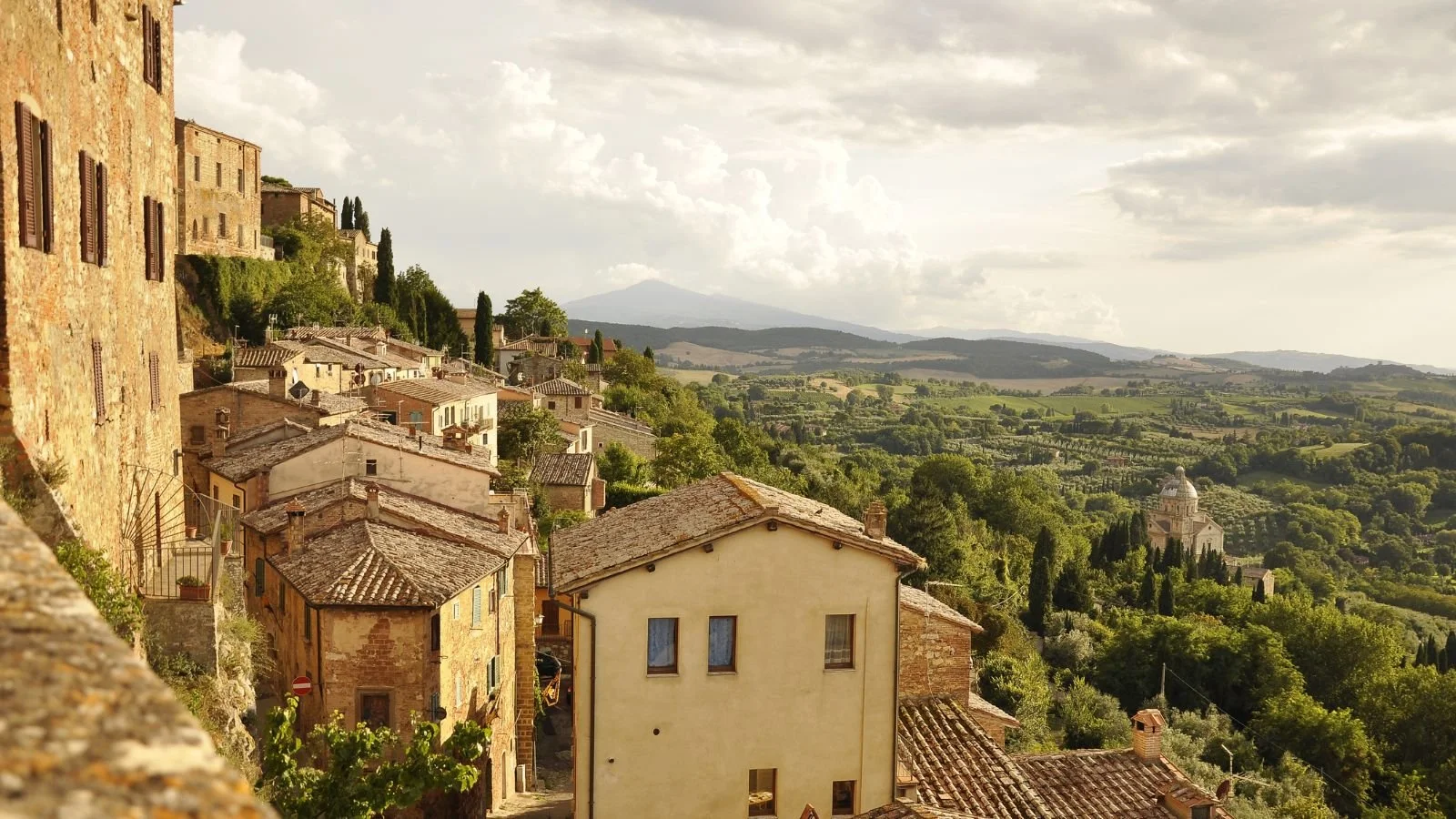
Picture several nights in the Tuscan countryside, with leisurely meals, nearby villages, and afternoons spent enjoying the scenery.
Instead of changing hotels every other night, you settle into one place and experience it at your own pace.
Less moving around. More time to enjoy where you are.
For the Traveler Who Wants a Little of Everything
A European river cruise might be the perfect fit.
You can explore historic towns, enjoy guided excursions, sample regional food and wine, and watch the scenery pass by—all without packing and unpacking at every destination.
Or maybe it's an ocean cruise, where your days can be filled with exploring new ports and your evenings are spent enjoying everything the ship has to offer.
A little adventure. A little relaxation. And a lot of opportunities to experience something new.
Of course, these are just examples.
You might love the idea of a relaxing Caribbean getaway one year and an adventure-filled vacation in Switzerland the next.
Not sure where to start?
Explore my blog European Vacation Ideas For Every Travel Style for inspiration on destinations and experiences that might be right for you.
How to Plan a Vacation Based on Your Travel Style
Okay, so you've figured out what kind of vacation you're hoping to have.
Now comes the fun part.
Turning those ideas into an actual trip.
And this is where the little details really start to matter.
Because choosing the right destination is only the beginning. Where you stay, how you get around, and what you choose to experience can completely change how a vacation feels.
Start With the Right Destination
It's easy to fall in love with a destination because of a beautiful photo, a friend's recommendation, or something you saw on Instagram.
But before you book, think about whether that destination actually fits the experience you're looking for.
Dreaming of a relaxing beach vacation? Consider the weather, the beaches, and how much time you'll spend getting from place to place.
Hoping for culture, history, and incredible food? Look for destinations where those experiences are easy to incorporate into your itinerary.
And remember, you don't always have to choose a completely different destination to have a different kind of vacation.
Take Italy, for example.
You could spend ten days exploring Rome, Florence, and Venice, filling your days with museums, historic landmarks, and incredible food.
Or you could spend several nights in the Tuscan countryside before heading to the Ligurian coast for seaside villages, leisurely meals, and a slower pace.
Same country. Same amount of time.
Two very different vacations.
Choose Accommodations That Support Your Plans
I think people sometimes underestimate how much their accommodations influence the overall experience.
If you're planning to spend your days sightseeing, a centrally located hotel can save you time and make it easier to explore.
If relaxation is your priority, you might care more about the pool, spa, restaurants, and other amenities.
And if you're traveling with family or friends, having enough space for everyone to be comfortable can make a big difference.
Don't choose a hotel simply because it looks beautiful in photos.
Think about how you'll actually use it.
A gorgeous hotel that's an hour away from everything you want to see might not be the best fit for a sightseeing-heavy vacation.
And a charming boutique hotel might not be ideal if you're hoping to spend most of your trip lounging beside a resort-style pool.
Build an Itinerary Around Your Ideal Pace
Here's where it's easy to get carried away.
You start researching everything there is to see and do, and suddenly you've planned twelve hours of activities before accounting for lunch, transportation, or the fact that everyone might need a break.
Sound familiar?
Start with the experiences you're most excited about.
Then look at how much time you'll realistically need to enjoy them.
If you love busy sightseeing days, go for it! Just remember to account for travel time between attractions and destinations.
If you prefer a slower pace, consider staying in fewer places and leaving more room for spontaneous discoveries.
And if you're traveling with people who have different energy levels, build in a little flexibility.
Sometimes the best thing you can put on an itinerary is absolutely nothing.
Know Where You Want to Splurge
Not every part of your vacation needs to be extravagant.
Maybe you'd rather stay in a comfortable, well-located hotel and spend more on a private tour or unforgettable excursion.
Or perhaps the hotel itself is part of the experience, and you're happy to spend more on a beautiful property with exceptional amenities.
The important thing is understanding what matters most to you.
I always encourage travelers to think about where spending a little extra would genuinely improve their experience—and where it probably wouldn't make much difference.
Because the goal isn't necessarily to spend more.
It's to spend intentionally.
Common Mistake
Planning your vacation around everything you could do instead of what you actually want to do.
Just because an attraction is famous doesn't mean it deserves a place on your itinerary.
Choose the experiences that matter to you, then give yourself enough time to enjoy them.
What If You’re Traveling With Someone Who Has a Different Travel Style?
Ah, now things get interesting.
Maybe you love exploring cities, but your partner dreams of relaxing by the water.
Or perhaps one of your kids wants adventure while another would happily spend the entire vacation at the hotel pool.
Sound familiar?
I've experienced this firsthand.
We love traveling with friends, but we've learned that every group has its own rhythm. Some of our friends are perfectly happy going with the flow, while others are ready to explore from sunrise to sunset.
And when we're traveling with our kids? Well, let's just say their enthusiasm for cobblestone streets and museums doesn't always match mine.
But I've learned that different travel styles don't have to mean separate vacations.
The trick is finding a balance.
Start by identifying everyone's must-dos.
Before you build an itinerary, ask each traveler what they're most excited about. You might discover that everyone wants to experience something different—or that you have more in common than you thought.
Build in a little flexibility.
You don't have to fill every day with activities. Sometimes a relaxed afternoon or an open morning is exactly what the group needs.
Remember that you don't have to do everything together.
If one person wants to explore a museum while someone else would rather enjoy a leisurely coffee or relax by the pool, that's okay!
You can spend a few hours doing different things and still have plenty of opportunities to enjoy the trip together.
And sometimes, choosing the right type of vacation makes balancing those preferences much easier.
For our family, cruising has become an appealing way to combine my love of exploring new destinations with the activities and downtime my kids enjoy.
We can spend a day discovering somewhere new, then return to a ship where everyone has something to look forward to.
My Planning Tip
Have everyone choose one or two experiences they'd really love to include.
Use those priorities to build an itinerary that feels like a shared vacation rather than one person's wish list.
Because the goal isn't to make everyone travel the exact same way.
It's to create a vacation everyone can enjoy—together and in their own way.
Your Next Vacation Should Feel Like You
Here's what I hope you take away from all of this: the best vacation isn't necessarily the one everyone else is taking. It's the one that feels right for you.
Maybe that's ten days exploring European cities, a week unwinding on a Caribbean beach, or a cruise that gives you a little bit of both.
And maybe what sounds perfect this year will look completely different a few years from now.
That's okay, too.
Your travel style can evolve as your interests, priorities, and circumstances change. The important thing is understanding what you want from each trip and making choices that reflect it.
Because at the end of the day, travel should give you the opportunity to recharge, discover, reconnect, or celebrate in whatever way feels most meaningful to you.
And if you're not quite sure how to turn those ideas into an actual itinerary? That's where I come in.
At Branch & Bloom Travel, I help travelers plan personalized vacations built around their interests, preferences, and priorities—not someone else's idea of the perfect trip.
Whether you're dreaming of a custom European adventure, an ocean or river cruise, or somewhere entirely different, I'd love to help you find the right fit.
